Types of Art Collectors — Which One Are You?
Art collecting isn't a one-size-fits-all pursuit. Some collectors are drawn by passion, others by strategy, and many by a blend of both. Understanding the different types of collectors can help you define your own approach — and build a collection that truly reflects your goals.
The short answer: art collectors can generally be grouped by their motivation and collecting behavior—ranging from emotional, passion-driven buyers to strategic investors and institutional collectors—each with different goals, budgets, and levels of market engagement.
Main Types of Art Collectors
- Passion collectors — buy art based on personal taste and emotional connection
- Investor collectors — focus on financial return and market appreciation
- Emerging collectors — new to collecting, building knowledge and first acquisitions
- Focused collectors — specialize in a niche (artist, medium, movement, or era)
- Patron collectors — support living artists and actively engage with the art community
- Institutional collectors — museums, foundations, or corporate collections with formal acquisition goals
- Speculative collectors — take higher risks on emerging or hyped artists for potential upside
- Legacy collectors — build collections intended for long-term heritage, estate, or donation purposes
1. The Passionate Collector
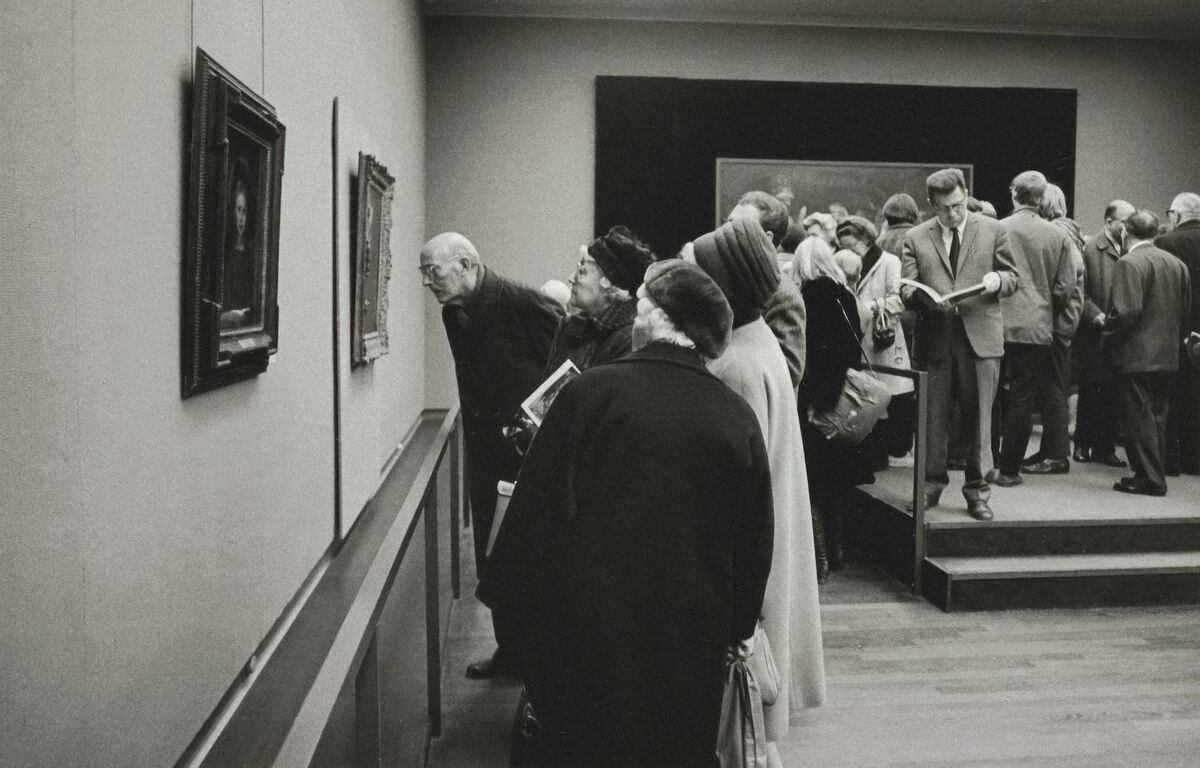
The passionate collector buys art because they love it — plain and simple. They're driven by emotional connection and personal taste rather than market trends or investment potential. Their homes are filled with pieces that tell a story, spark a memory, or simply make them feel something.
Traits of the passionate collector:
- Buys based on gut feeling and personal resonance
- Often develops deep relationships with artists
- Collects across styles and media without a strict focus
- Values the experience of discovery over resale value
This is the most common starting point for collectors. As the ARTnews community often notes, the best collections begin with genuine enthusiasm rather than calculated strategy.
If you find yourself buying art because you can't stop thinking about it — you're a passionate collector.
2. The Investment Collector
Investment collectors approach art with a financial lens. They study auction results, track market trends, and focus on artists with strong resale potential. For them, art is an alternative asset class — one that can diversify a portfolio and appreciate significantly over time.
What defines an investment collector:
- Follows auction data from Christie's, Sotheby's, and Artnet
- Prioritizes established and blue-chip artists
- Pays close attention to provenance, condition, and authentication
- May use art advisors or wealth managers with art market expertise
Investment collecting requires discipline and research. The Art Basel and UBS Art Market Report is an essential resource for understanding market dynamics. That said, even investment-focused collectors will tell you: buy what you can live with, because markets are unpredictable.
3. The Thematic Collector
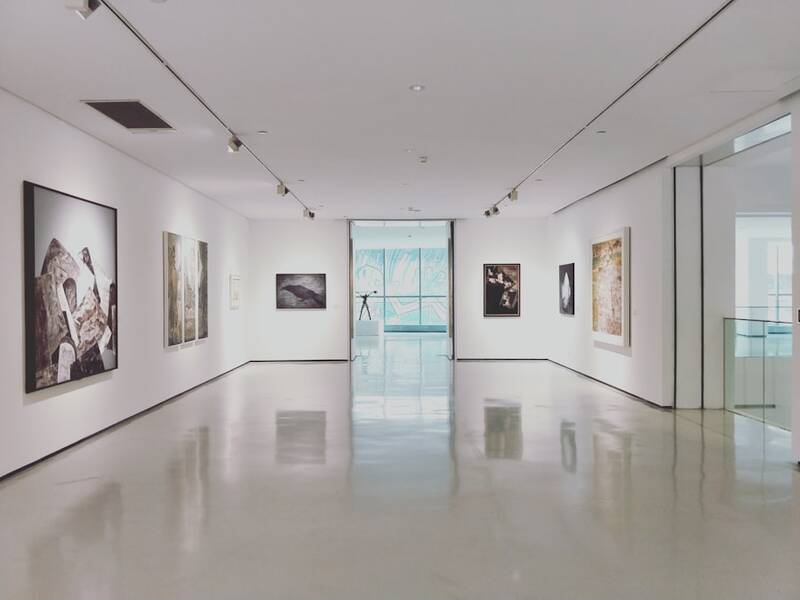
Thematic collectors build their collection around a specific concept, period, medium, or subject matter. They might focus exclusively on photography from the 1970s, contemporary African art, or works that explore identity and migration. This focused approach creates collections with real depth and curatorial coherence.
Common themes collectors pursue:
- Medium-based — only ceramics, only photography, only works on paper
- Era-based — mid-century modern, post-war abstraction, contemporary emerging
- Subject-based — landscapes, portraiture, urban life, nature
- Region-based — Latin American art, Southeast Asian contemporary, Nordic design
Thematic collecting is particularly rewarding because it builds expertise. Over time, these collectors become genuine authorities in their chosen niche — and their collections often attract interest from museums and institutions.
A focused lens doesn't limit you — it gives your collection a voice.
4. The Emerging-Art Champion
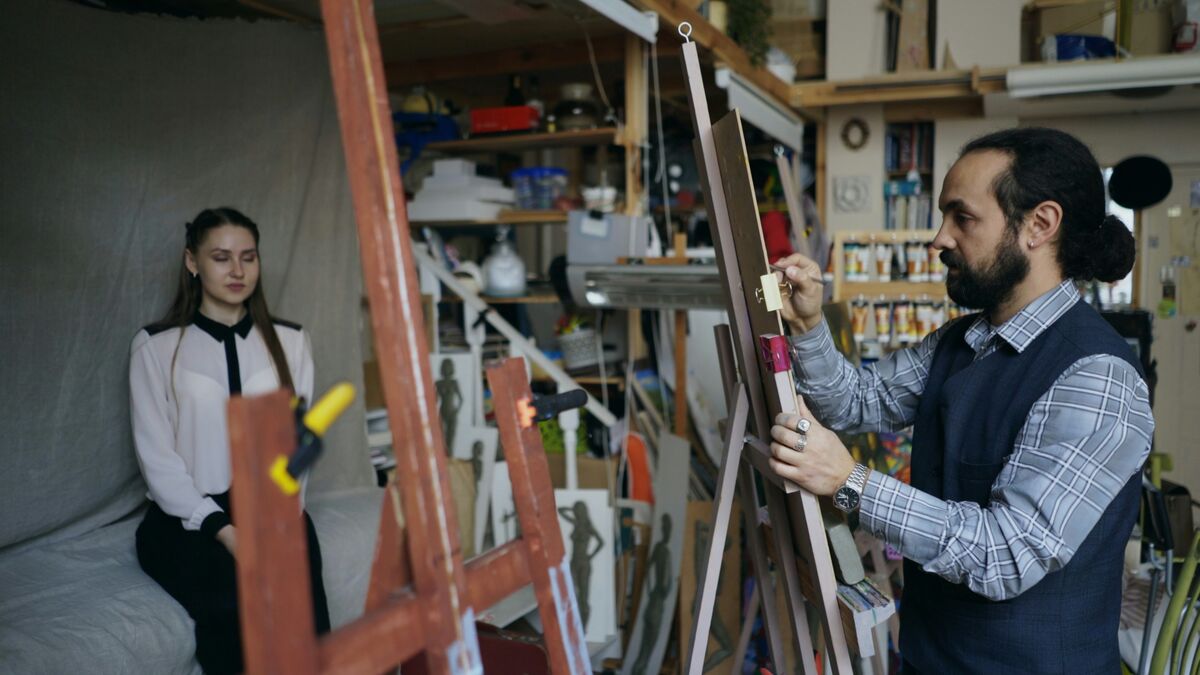
These collectors actively seek out early-career artists before the market catches on. They visit degree shows, browse Saatchi Art and Artsy, follow artists on Instagram, and aren't afraid to take risks on unknown names. For them, collecting is about discovery and supporting artists at the beginning of their careers.
- Frequents student exhibitions, open studios, and artist-run spaces
- Comfortable buying directly from artists
- Builds relationships early and follows artists' careers over time
- Often works with smaller budgets but builds large, dynamic collections
Some of the most celebrated private collections in the world were built this way. Charles Saatchi famously championed the Young British Artists (YBAs) before they were household names, transforming both his collection and the artists' careers.
5. The Institutional Collector
Institutional collectors build with legacy in mind. They think about where their collection will end up — whether that's a private museum, a foundation, a university, or a donation to a public institution. Their acquisitions are guided by curatorial vision and a desire to contribute to art history.
- Maintains meticulous records of provenance, exhibition history, and condition
- Often works with curators, art historians, or advisors
- Considers how each acquisition fits into the broader narrative of the collection
- May loan works to museums or organize private exhibitions
Notable examples include the Broad Collection in Los Angeles and the Rubell Museum in Miami — both started as private collections and evolved into public institutions. These collectors prove that thoughtful, well-documented collecting can have cultural impact far beyond the walls of a home.
6. The Casual Collector
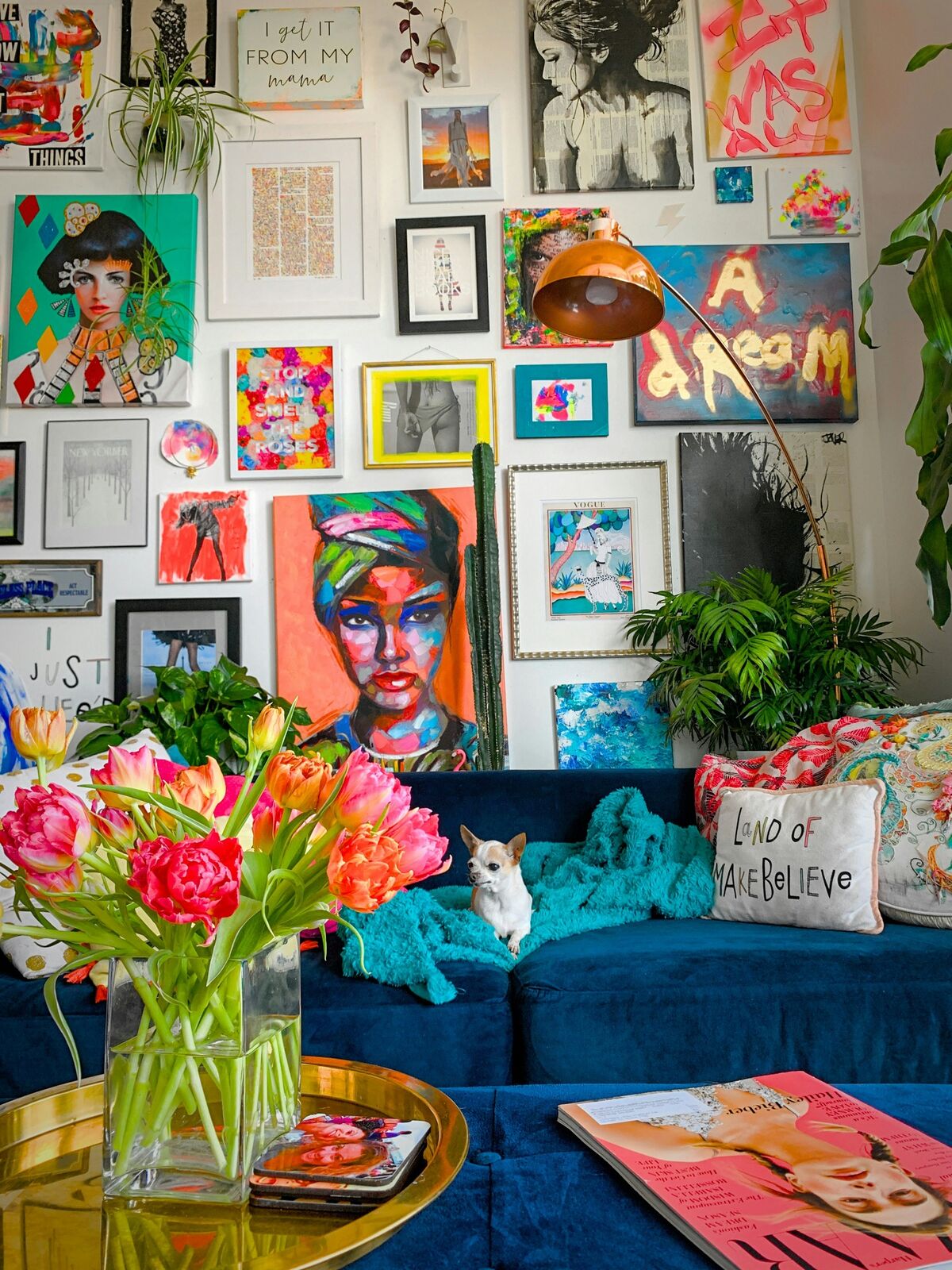
Not every collector fits neatly into a category — and that's perfectly fine. Casual collectors pick up pieces when something catches their eye: at a local art fair, on vacation, or from a friend who happens to be an artist. They don't follow a strategy or study the market. They just buy what they enjoy.
- Buys spontaneously and infrequently
- Often has a mix of prints, originals, and decorative pieces
- Doesn't think of themselves as a "collector" (but often is one)
- Values art as part of home and daily life
Many serious collectors started as casual ones. The transition often happens when you realize you've accumulated 20, 30, or 50 pieces and suddenly need a system to track them all. That moment — when the hobby becomes something more intentional — is exactly when a tool like ArteraQ becomes invaluable.
7. The Digital & New-Media Collector
A newer category that's grown significantly in recent years. Digital collectors acquire video art, generative art, digital prints, and — yes — NFTs. They're comfortable with technology and often at the forefront of how art is created, displayed, and owned in the 21st century.
- Collects works that exist primarily in digital format
- Uses digital frames, projectors, or screens for display
- May participate in online art communities and DAOs
- Interested in how blockchain and technology intersect with art
While the NFT hype cycle has cooled, serious digital collecting continues. Artists like teamLab and Refik Anadol demonstrate that digital and new-media art has established itself as a legitimate and exciting collecting category.
Which Type of Collector Are You?
Most collectors don't fit neatly into one box. You might start as a passionate collector, develop a thematic focus, and eventually think about the long-term legacy of your collection. The categories above are starting points, not fixed identities.
What matters most is that you understand why you collect. Your motivations shape your decisions — what you buy, how much you spend, how you care for your works, and how you document them. A clear sense of purpose leads to a more satisfying collection.
Regardless of your type, one thing every collector needs is a reliable way to catalog, track, and document their art. That's exactly what ArteraQ is built for — whether you own 10 pieces or 300, we help you keep everything organized so you can focus on what matters: the art itself.