How to Start Art Collecting (Without Feeling Overwhelmed)
Getting into art collecting can feel intimidating. Galleries, auctions, pricing, authenticity — it's not always clear where to begin. The good news: you don't need to be wealthy or an expert to start collecting. You just need a simple approach.
The short answer: starting an art collection is about defining your taste, setting a budget, and gradually acquiring works you genuinely connect with while learning how the art market, provenance, and value work over time.
Key points
- Start by buying what you genuinely like, not just for investment
- Set a realistic budget and collect consistently over time
- Learn basic art terminology (medium, provenance, edition, condition)
- Research artists, galleries, and market prices before purchasing
- Begin with emerging artists to build experience and access
- Always verify authenticity and documentation (COA, provenance)
- Use galleries, fairs, and trusted platforms to discover works
- Think long-term: collecting is a gradual learning process, not a quick win
1. Start with What You Actually Like
This sounds obvious, but it's the most important rule. Many first-time collectors get caught up trying to buy "the right thing" instead of something they genuinely connect with. Experienced collectors consistently say the same thing: buy what moves you, not what you think will impress others.
Don't buy art because:
- it's "trending"
- someone says it's a good investment
- it looks expensive
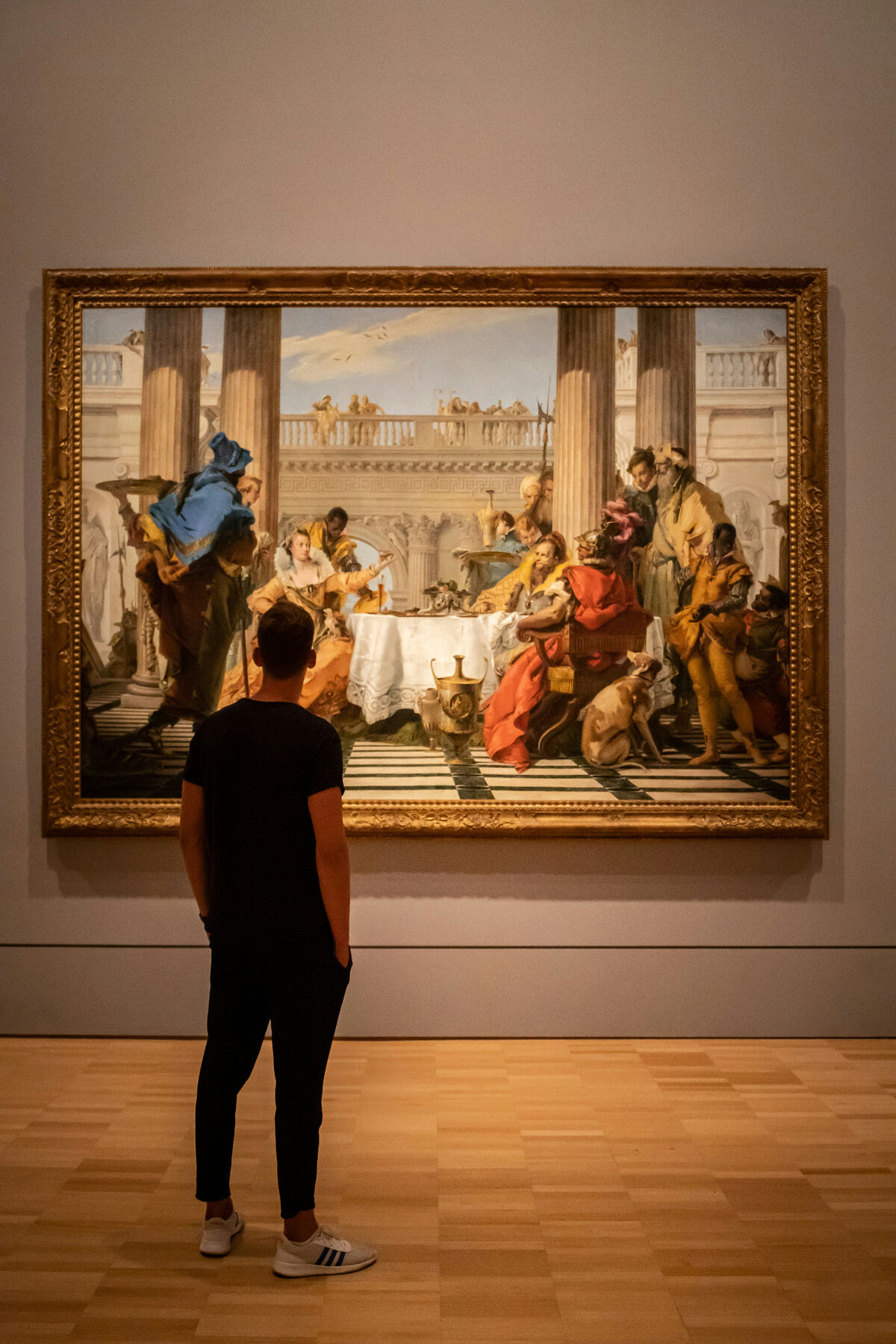
Buy what you genuinely enjoy looking at. Visit galleries, browse online platforms like Artsy or Saatchi Art, and pay attention to what catches your eye repeatedly.
You'll live with it. That matters more than anything.
2. Set a Budget (and Stick to It)
Art collecting doesn't have to be expensive. One of the biggest misconceptions is that you need thousands of dollars to start. Many collectors begin with pieces under $200 and build from there.
You can start with:
- prints and limited editions
- photography
- works from emerging artists
- pieces from student exhibitions and open studios
Platforms like Etsy, Saatchi Art, and Artfinder have original works at a wide range of price points. Set a range you're comfortable with and treat it like any other purchase — not speculation.
3. Learn Where to Look
There's no single place to find art. Most collectors use a mix of sources, and part of the fun is discovering new ones. Many seasoned collectors recommend starting locally — attending gallery openings, open studio events, and art walks in your area. These are often free, low-pressure, and a great way to see work in person before buying.
- Local galleries and open studios — personal, direct access to artists
- Art fairs — discover many artists in one place (Art Basel, The Armory Show, and regional fairs)
- Online platforms — Artsy, Saatchi Art, 1stDibs
- Artist websites and Instagram — follow artists directly and buy from their studios
- Auction platforms — Christie's, Sotheby's, LiveAuctioneers
Each has pros and cons:
- Galleries — curated, higher trust, but can feel intimidating
- Online — more options, less filtering, easier to browse casually
- Auctions — potential deals, but more risk and added buyer premiums
- Direct from artists — best prices, supports creators directly
A common recommendation from the collector community: if you're unsure where to start, search for "open studio" events or "art walks" in your city. These give you a chance to meet artists, ask questions, and see work without any pressure to buy.
4. Ask Questions (Don't Be Intimidated)
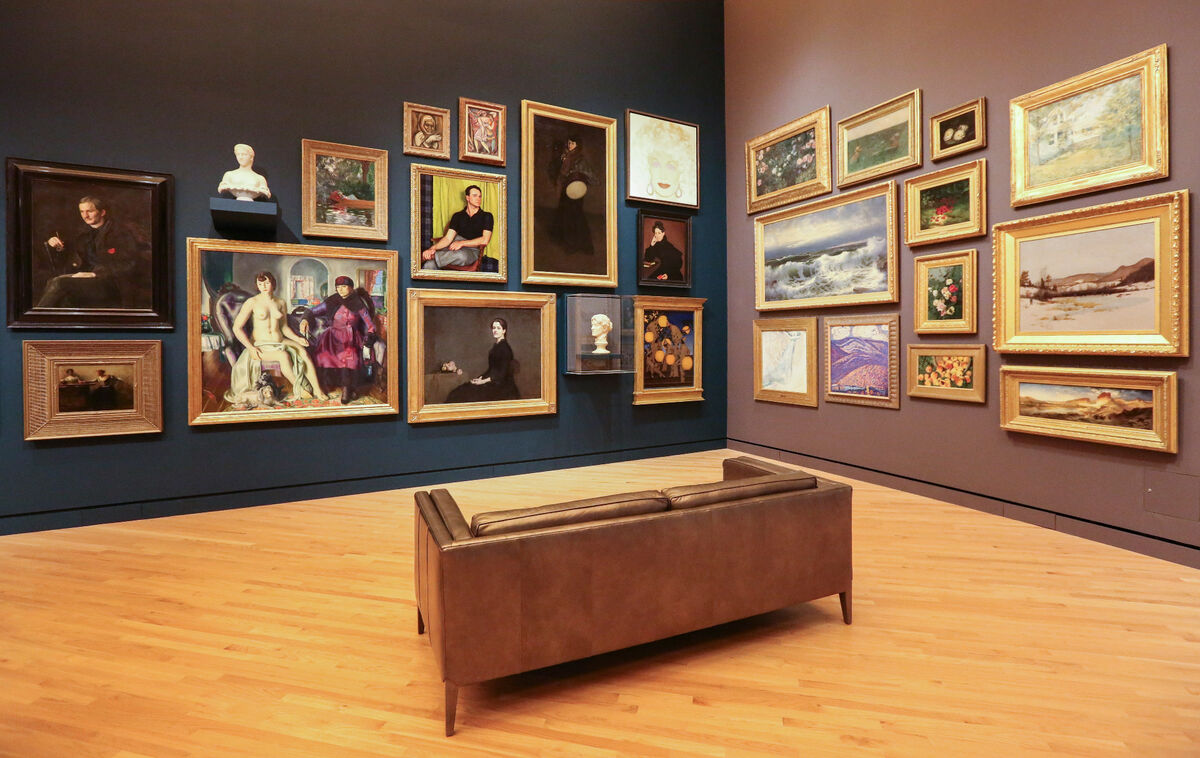
A common concern among new collectors is feeling out of place in galleries or not knowing the "right" things to say. The reality is simpler than you think: galleries exist to sell art, and most are happy to talk to anyone who shows genuine interest.
Whether you're talking to a gallery or artist, ask:
- Who is the artist? What's their background?
- Is this an original work or a print/edition?
- Is it signed, numbered, or editioned?
- Does it come with a certificate of authenticity (COA)?
- What is the medium and how should it be cared for?
- Can you provide a condition report?
Don't hesitate to ask about payment plans either — many galleries offer them, especially for emerging collectors. The ARTnews and Artnet regularly publish guides for new buyers that can help you prepare.
A good gallery will expect questions. If they don't — walk away.
5. Understand Pricing (At a High Level)
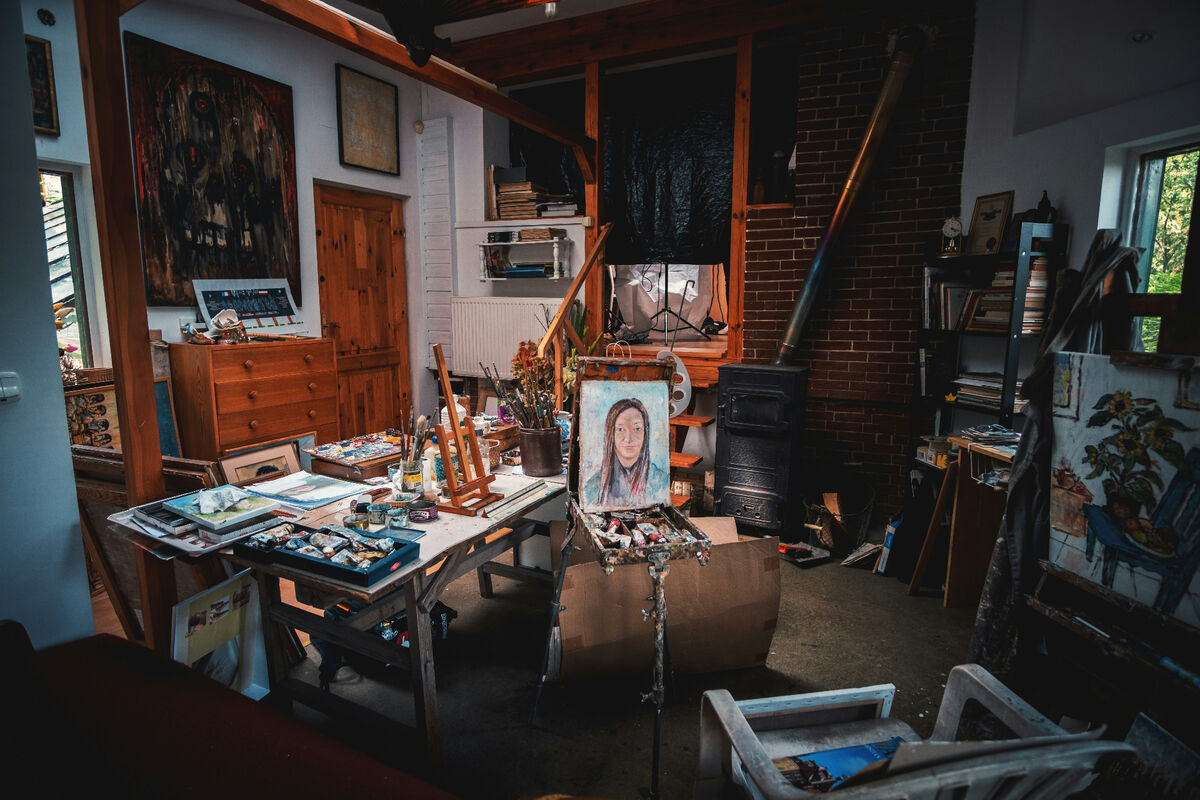
You don't need to master the art market, but having a basic understanding of what drives pricing helps you make more confident decisions. Many new collectors feel unsure about whether a price is "fair" — and that's completely normal.
Price is influenced by:
- artist reputation and exhibition history
- gallery representation
- edition size (for prints and multiples)
- medium, size, and complexity
- provenance (ownership history)
For context, resources like the Artprice database and MutualArt track auction results and artist market data. These can help you understand price ranges for specific artists.
One practical tip from experienced collectors: compare similar works by the same artist across different platforms before buying. This gives you a sense of the going rate.
If something feels overpriced, it probably is.
6. Keep Track of What You Buy
This is where many new collectors fall apart. It might seem unnecessary with your first few pieces, but tracking your collection from the start saves you significant headaches later.
Start tracking:
- artist name
- title and year
- medium and dimensions
- purchase date and price
- where you bought it (gallery, fair, online)
- any documents (COA, invoice, condition report)
- photos of the work (front and back)
Even a simple spreadsheet works to start. As your collection grows, you may want a dedicated tool — ArteraQ is built specifically for this purpose.
Over time, this becomes your collection record — important for insurance, resale, lending to exhibitions, and estate planning. Many collectors wish they had started tracking sooner.
7. Don't Rush
You don't need to build a collection overnight. In fact, some of the most respected private collections in the world were built over decades. The urge to buy quickly — especially after attending your first art fair — is real, but restraint usually pays off.
Some of the best collections:
- grow slowly and intentionally
- reflect genuine personal taste
- evolve as the collector's eye develops
A useful practice: if a piece catches your eye, sit with it for a few days before buying. If you're still thinking about it a week later, that's a strong signal.
Buying less — but better — is usually the right move.
8. Think Long-Term (But Don't Obsess Over Investment)
Art can appreciate in value — but that shouldn't be your main goal, especially when starting out. The collectors who focus purely on investment returns often end up with pieces they don't actually enjoy living with.
Instead, think:
- Do I want to keep this for years?
- Does it fit my taste and my space?
- Would I be happy with this even if it never increased in value?
If it goes up in value, that's a bonus. For those interested in the investment angle, the Art Basel and UBS Art Market Report provides annual insights into global art market trends.
9. Build Relationships
Art collecting is surprisingly social. Many of the best opportunities — early access to new works, studio visits, fair previews — come through relationships rather than browsing websites.
As you collect more:
- talk to gallery staff and directors
- follow artists on Instagram and engage with their work
- attend openings, fairs, and talks
- join collector groups or communities like r/artcollecting
This gives you:
- early access to new works before they're listed publicly
- better context about an artist's practice and trajectory
- more confidence in your decisions
- a network of people who share your interest
Don't underestimate the value of simply showing up. Galleries remember faces, and artists appreciate genuine interest in their work.
10. Keep It Simple
You don't need:
- complex systems
- insider knowledge
- a huge budget
You just need:
- curiosity
- consistency
- a way to stay organized
Further Reading
- Artsy: How to Collect Art — a comprehensive series covering the fundamentals of art collecting.
- ARTmine: The Art Collector Beginner's Guide — practical tips for starting your first collection.
- Reddit: r/artcollecting — an active community of collectors sharing advice, discoveries, and honest opinions.
- Marketing for Artists: Best Books and Courses — our guide to resources that help artists (and collectors) understand the art market better.
- The ArteraQ Collector Guide — a step-by-step walkthrough for managing your collection with ArteraQ.
Final Thought
Art collecting isn't about being perfect — it's about building something personal over time.
Start small. Stay curious. Keep track of what you love.
That's it.